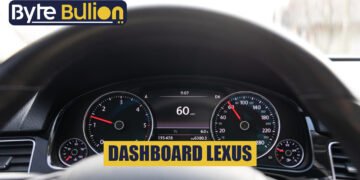



The dashboard in a Lexus is your car’s way of talking to you. It shows your speed, fuel, and temperature, and it lights up when something needs attention. Many drivers search for “dashboard Lexus” because a symbol has appeared and they want to know whether to keep driving. Others want to understand the screen, protect the dash from sun damage, or add a cover or camera safely. This guide explains the colors and symbols you may see, what the most common lights mean, how to react, and how to care for the dashboard itself. Because models and years differ, always treat this as general guidance and check your owner’s manual for your exact vehicle.
What the Lexus Dashboard Does
The dashboard, also called the instrument cluster and center display, gathers information from many systems in your car. The gauges show how the car is running. Indicator lights tell you which features are on, such as headlights or cruise control. Warning lights tell you when a system needs attention. Many models also show text messages on a small screen between the gauges, and a larger display in the center for audio, maps, and phone functions.
Most warning lights come on briefly when you start the car. This is a normal self-test, and the lights go out after a moment. A light that stays on, or one that comes on while you drive, is the signal that needs your attention.
What the Colors Mean
Color is the quickest clue. One Lexus owner guide explains the pattern this way. Red lights point to a more serious problem or a safety issue, and the guide suggests having the car checked the same day. Orange or yellow lights mean the car needs service or repair soon. Green or blue lights are informational, and they show that a feature is on or working, with no danger. A light that flashes, in any color, deserves quick action, and the guide advises contacting the dealership right away.
This color system is common across most cars, and it makes a good starting rule. Red means stop and think. Amber means plan a visit to the shop. Green and blue mean carry on.
The Most Important Red Lights
Some red or urgent lights should never be ignored. The charging system light, which often looks like a battery, can mean the battery or alternator is not working properly. A Lexus dealer guide says to pull over safely and contact a service center. A high coolant temperature warning means the engine is likely overheating. The same guide advises pulling over when it is safe and calling for service, because continued driving can cause damage and affect safety.
The brake warning needs care. If it comes on because the parking brake is still on, releasing the brake should turn it off. If it stays on with the brake released, the owner guide says to stop and contact the dealer, since there may be a problem with the braking system. An oil pressure or low oil warning, often a small oil can with a wavy line, means you should stop, turn off the engine, and check the oil. Driving with too little oil can destroy an engine.
The Check Engine Light
The malfunction indicator lamp, known as the check engine light, is one of the most common and most confusing. The dealer guide explains that it points to a fault in the electronic engine control, throttle control, or automatic transmission control system. The causes range from something simple, such as a loose gas cap, to a more serious engine problem.
If the light is steady, have the car checked soon. If it flashes, it usually signals a more serious problem, and you should reduce speed, avoid hard acceleration, and get help quickly. A scanner that reads trouble codes can plug into the diagnostic connector, which one guide says is under the lower left side of the dashboard. A technician can read the code and tell you what to repair. Do not simply clear the code, because the cause will remain.
Safety System Lights
Other lights relate to safety systems. The ABS light means there is a fault in the anti-lock braking system or the brake assist system. Your normal brakes usually still work, but the safety function may not, so get prompt service and avoid long trips. The SRS light refers to the supplemental restraint system, which includes the airbags and seat belt pretensioners. The dealer guide says a problem here, which may also involve the front passenger occupant classification system, needs service right away. An airbag that does not work could fail in a crash.
The power steering light can mean low fluid or a more general steering problem, depending on the model. Check the fluid if your car uses it, and contact the dealer if it is full or if the steering feels heavy. A transmission oil temperature warning means the fluid is too hot and could lead to damage, so contact the dealer without delay.
Maintenance and Reminder Lights
Not every light is a fault. A low brake pad warning shows that the pads are worn. One guide advises replacing them within about a hundred miles after the light comes on, but your own manual may give a different range, so book service soon. An oil change reminder, often shown as text, simply tells you it is time for maintenance. The master warning light usually appears together with a message, such as a door that is not fully closed, so read the text on the display.
The dealer guide reminds drivers that not all dashboard lights are a sign that service is needed. Many are reminders or status lights. Still, when you are unsure, it is better to ask.
Tire Pressure and Other Everyday Lights
The tire pressure light looks like a flat tire with an exclamation mark. It tells you one or more tires are low. Check the pressure when the tires are cold, add air to the level printed on the sticker inside the driver’s door, and watch whether the light goes out. If it comes back, a tire may have a slow leak. A fuel light tells you to refill soon, and a seat belt light tells you someone is not buckled.
Hybrid Lexus models also show a ready indicator, which tells you the car is on and ready to move, even if the engine is quiet. Check your manual for the symbols that are special to your model.
What To Do When a Light Comes On
Stay calm and read the display. If the light is red or flashing, find a safe place to pull over, turn on your hazard lights, and look at any message. Check your manual for the symbol. If the problem is serious, such as overheating, low oil, or brake trouble, turn off the engine and call for help. If the light is amber, note when it came on, and book a service visit. Take a photo of the dashboard to show the technician.
Keep an emergency kit in the car, including a flashlight, a phone charger, and water. If you are unsure, call your dealer or roadside assistance. It costs less to ask than to repair a damaged engine.
Using the Owner’s Manual
Your owner’s manual is the most accurate source for your car. It includes a full list of symbols with pictures, and it explains the meaning for your specific model and year. If you do not have the paper copy, you may be able to download a digital version from the official Lexus website or through its app. Use official sources only, and avoid unknown sites that offer manuals along with strange installers.
Also check for recalls. In the United States, you can search by your vehicle identification number on the National Highway Traffic Safety Administration website to see if any open safety recalls apply. Recall repairs are free at authorized dealers.
The Center Display and Phone Connections
The center screen lets you use navigation, audio, and phone features. When you connect your phone, the system may show contacts, messages, and music. If your contacts or messages do not sync properly, try turning Bluetooth off and on, deleting the old pairing, and pairing again. Keep your phone’s software and your car’s system updated according to the maker’s instructions.
For privacy, review what your car stores. Delete paired phones before you sell the car or return a rental. Do not leave your home address saved in the navigation history if you share the car with others.
Protecting the Dashboard From the Sun
Heat and sunlight are hard on dashboards. Over time, they can dry out the material, cause fading, and lead to cracks. A windshield sunshade helps a great deal when you park outside. Tinted windows and parking in shade or a garage also reduce heat. Clean the dash with a soft microfiber cloth and a cleaner made for car interiors, and avoid harsh chemicals. A UV protectant made for dashboards can help, but test a small hidden spot first and choose a product that leaves a matte, non-greasy finish. A shiny dash can reflect light into the windshield and hurt your view.
If the dash has a crack or a loose panel, ask a dealer or a trim shop. Some small cracks can be repaired, while larger ones may need replacement.
Dash Covers, Mounts, and Cameras
Dash covers can reduce glare and heat, but they must be chosen with care. Many dashboards contain the passenger airbag, and a cover that blocks the airbag’s path can be dangerous in a crash. Choose a cover made for your exact model, and never place hard objects on top of the dash, because they can become projectiles. Mount phones and dash cameras where they do not block your view or the airbag area, and follow local laws on windshield mounts.
If you add accessories, route cables neatly so they do not interfere with pedals or controls. And avoid stick-on gadgets that lose their grip in summer heat.
Conclusion
The Lexus dashboard tells you a lot if you know how to read it. Remember the color rule: red for urgent, amber for soon, green and blue for information, and any flashing light for quick action. Know the key lights, such as charging, coolant, oil, brakes, airbags, and check engine, and act when they appear. Use your owner’s manual, check for recalls, and keep the dash clean and shaded to protect it. When a warning is unclear, a call to your dealer is always worth the time.
Good habits make a calm driver. Learn your symbols before you need them, and your car will become easier to understand and safer to drive.
Frequently Asked Questions
1. What do the colors on a Lexus dashboard mean?
Red points to a serious problem, amber means service is needed soon, and green or blue are informational. Flashing lights need quick action.
2. Is it safe to drive with the check engine light on?
A steady light means you should have the car checked soon. If it flashes, reduce speed and get help quickly.
3. What should I do if the coolant temperature warning comes on?
Pull over when it is safe, turn off the engine, and call for service. Continued driving can cause damage.
4. Where can I find the meaning of a symbol on my model?
Your owner’s manual lists every symbol for your model and year. You can also ask a Lexus dealer.
5. How can I protect my Lexus dashboard from cracking?
Use a windshield sunshade, park in shade when possible, and clean the dash with a soft cloth and a gentle interior cleaner.