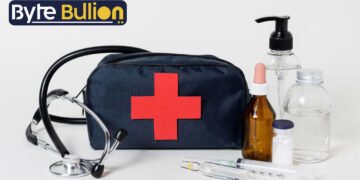



An urgent care kit is a collection of medical supplies kept at home to treat minor injuries and sudden health issues before professional help is available. Cuts, burns, sprains, and allergic reactions can happen at any moment, often when a clinic is closed or far away. According to the National Safety Council, millions of nonfatal injuries occur in the United States every year, and many of these can be managed safely at home with the right supplies on hand. Building a well-stocked kit gives your household a faster, calmer response and can even prevent a small problem from turning into a bigger one.
What Is an Urgent Care Kit?
An urgent care kit goes beyond a basic first-aid box. While a standard first-aid kit focuses on cuts and scrapes, an urgent care kit also covers allergic reactions, fevers, mild infections, and minor sprains. It bridges the gap between everyday accidents and an actual trip to an urgent care center or emergency room.
This kit can live in your kitchen, bathroom closet, or hallway, wherever your family can reach it quickly. The goal is simple: handle small problems immediately, reduce unnecessary clinic visits, and stay calm when something unexpected happens.
Essential Wound Care Supplies
Wound care forms the foundation of any urgent care kit. Stock adhesive bandages in several sizes, sterile gauze pads, and medical tape for larger cuts or scrapes. Antiseptic wipes or solution are necessary too, since cleaning a wound properly lowers the risk of infection before you apply a bandage.
Add an antibiotic ointment to help prevent infection in minor cuts and scrapes. Round out this section with a roll of gauze, which can be cut to size for almost any wound, making it one of the most versatile items in the kit.
Pain Relief and Common Medications
Every household needs basic pain relief on hand. Keep both acetaminophen and ibuprofen, since they work differently and suit different age groups and needs. These medications also help with fevers, which are common during minor illnesses.
Antihistamines are useful for mild allergic reactions, insect bites, or seasonal allergy flare-ups. If anyone in the household has a known severe allergy, store their prescribed epinephrine auto-injector in the kit as well, and make sure every adult in the home knows how to use it.
Tools That Make a Real Difference
A few simple tools turn a pile of supplies into a functional kit. Pack small, sharp scissors for cutting tape or gauze, along with fine-point tweezers for removing splinters or debris from a wound. Disposable gloves protect both the caregiver and the injured person during treatment.
A digital thermometer is essential for checking fevers, especially in homes with children or older adults. A flashlight with extra batteries also helps if an injury happens after dark or during a power outage.
Items for Burns, Allergies, and Special Needs
Burns are common kitchen injuries, so include a burn gel or cream and hydrocortisone cream for skin irritation or insect bites. These items soothe minor burns and rashes without requiring a clinic visit.
Customize the kit for your household. Families with babies should add infant-safe bandages and fever reducers. Homes with older adults may want a blood pressure cuff or extra supplies for chronic conditions. Anyone with regular prescriptions, such as inhalers or insulin, should keep a backup supply alongside the kit.
Where to Store and How Often to Check It
Store your urgent care kit in a cool, dry, and easily accessible spot, such as a kitchen cabinet or hall closet. Avoid places with high humidity, like under a bathroom sink, since moisture can damage bandages and shorten the shelf life of medications.
Check the kit every six months. Replace anything that is expired, used, or missing, and rotate supplies based on the season, adding sunburn relief in summer or cough remedies in winter. A quick reminder on your phone makes this easy to remember.
When to Skip the Kit and Seek Professional Care
A home kit is not a replacement for medical attention in serious situations. Seek urgent or emergency care if a wound is deep, won’t stop bleeding after fifteen minutes of direct pressure, or shows signs of muscle or bone. Animal bites, burns larger than three inches, and puncture wounds from rusty objects also need a professional evaluation, since they carry a higher risk of infection.
Trust your judgment. If something feels more serious than your kit can handle, it’s always safer to call a doctor or visit an urgent care clinic.
Conclusion
A well-stocked urgent care kit gives your family the tools to handle minor injuries quickly, safely, and with far less stress. Keep it organized, check it twice a year, and tailor it to your household’s specific needs so it’s ready the moment you need it.
Frequently Asked Questions
What should be in a basic urgent care kit?
A basic kit should include bandages, gauze, antiseptic wipes, pain relievers, antihistamines, gloves, tweezers, scissors, and a digital thermometer.
How often should I check my urgent care kit?
Check your kit every six months to replace expired medications and restock used or missing items.
Where is the best place to store an urgent care kit?
Store it in a cool, dry, and easy-to-reach spot, such as a kitchen cabinet or hall closet, away from heat and moisture.
Can I make my own urgent care kit instead of buying one?
Yes, building your own kit lets you customize it for your family’s specific needs, such as allergies, chronic conditions, or young children.
When should I go to urgent care instead of using my kit?
Seek professional care for deep wounds, heavy bleeding that won’t stop, animal bites, large burns, or any injury that looks serious.
Find what’s next and explore more at Byte Bullion