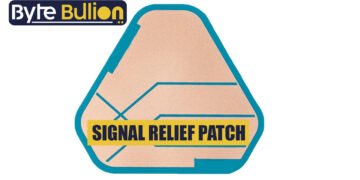



Signal Relief patch reviews and complaints reveal a genuinely mixed picture: a heavily marketed, “as seen on TV” style wearable pain patch with some satisfied customers, a consistent stream of complaints about pricing, adhesive quality, and refund difficulties, and weak independent scientific evidence behind its core claims. This article pulls together what verified review sources, consumer protection organizations, and real customer complaints actually show, so you can make an informed decision before spending money on one.
What Signal Relief Claims to Do
Signal Relief markets its product as a drug-free, reusable pain relief patch that uses what the company describes as bioelectric signaling or nanotechnology to interrupt pain signals in the body. The company advertises relief for back pain, neck pain, knee pain, shoulder soreness, and general chronic discomfort, positioning the product as an alternative to pills, creams, or more invasive treatments. Marketing materials describe the patches as offering relief in minutes, reusable for up to a year, and priced as low as roughly 30 cents per day when calculated over the product’s claimed lifespan.
The company sells several variations at different price points, including individual patches, larger sizes, and bundles, with individual products ranging from around $179 for a single larger patch to $299 for other configurations in the product line, alongside adhesive refill packs needed to keep the reusable patches attached to skin.
What Independent Review Sources Say About the Science
ConsumerLab, an organization that independently tests and reviews vitamins, supplements, and health products, has specifically evaluated Signal Relief Patches. Their assessment states plainly that the patches are marketed as providing drug-free pain relief, but that there is only weak evidence in people to support this specific use. This is a meaningful, specific finding from an organization whose entire purpose is independently verifying health product claims rather than taking manufacturer marketing at face value.
This assessment aligns with a broader pattern seen across the category of wearable “signal” or “frequency” pain patches more generally, including similar products like LifeWave patches, where manufacturers describe proprietary technology interacting with the body’s electrical or energetic systems, but independent, peer-reviewed clinical evidence supporting these specific mechanisms and outcomes remains limited or absent.
What the Better Business Bureau Record Shows
Signal Relief’s Better Business Bureau profile, based in Provo, Utah, reveals the company is not BBB accredited and has faced a formal inquiry from the organization. In February 2025, the BBB specifically asked Signal Relief to substantiate several of its advertising claims, including its “Made in the USA” labeling and its claim that the product can reduce pain in as little as seconds for conditions including back aches, shoulder aches, and hip soreness. The BBB’s Code of Advertising requires that such specific claims be backed by independent scientific testing, and “Made in USA” labeling in particular carries legal requirements around truthfulness that go beyond ordinary marketing language.
This kind of formal BBB inquiry into a company’s specific advertising claims is a notable, factual data point, distinct from ordinary customer satisfaction complaints, since it reflects a consumer protection organization directly challenging the evidentiary basis for the company’s marketing.
What Customer Complaints Actually Describe
Beyond the formal BBB advertising inquiry, individual customer complaints filed with the BBB and shared across various review platforms describe a consistent set of recurring issues.
Adhesive and durability problems. A frequently repeated complaint involves the patches not sticking reliably, with some customers reporting patches falling off within days of use, sometimes without the customer noticing until later, effectively wasting the product before it could be evaluated for effectiveness.
Effectiveness falling short of marketing claims. Multiple reviewers describe experiencing little to no noticeable pain relief, directly contradicting the company’s marketing language about relief occurring within minutes or seconds. Some customers specifically describe the product as functioning primarily as a placebo, with no scientific backing they could identify for the claimed mechanism.
Refund process difficulties. A recurring theme across BBB complaints involves customers requesting refunds and encountering resistance, delays, or partial refunds rather than full ones, particularly around a returns policy that requires patches to be sent back, whether used or new, following a specific process involving removing adhesives and using a prepaid shipping label. Some customers describe this return process as burdensome enough to discourage completing it, while others report the company ultimately declining to issue a full refund even after following the stated return instructions.
High price relative to perceived value. Given individual patch prices in the $179 to $299 range, plus ongoing costs for adhesive refill packs, several reviewers describe feeling the product’s price is difficult to justify relative to the pain relief actually experienced, particularly when compared to established, clinically studied pain management options at a fraction of the cost.
What More Positive Reviews Describe
To present a balanced picture, it’s worth noting that not every review is negative. Some customers report genuine, if modest, symptom improvement, describing reduced discomfort for conditions like general back pain or joint soreness, alongside general satisfaction with the non-invasive, drug-free nature of the product compared to pain medication. Some reviewers also praise specific customer service interactions, particularly around fast refund processing for unused, unopened patches returned promptly.
It’s worth treating individual positive testimonials with the same general caution warranted for any product review, since pain perception is genuinely subjective, placebo effects are well-documented and real in terms of subjective symptom improvement even without an underlying physiological mechanism, and testimonials featured on a company’s own website are inherently selected rather than randomly representative of the full customer base.
Understanding the Broader Category: Bioelectric and “Signal” Pain Patches
Signal Relief belongs to a broader category of consumer wellness products that market themselves around concepts like bioelectric signaling, frequency therapy, or nanotechnology-based pain interruption. This category has grown significantly in recent years, often marketed heavily through social media advertising and direct-response “as seen on TV” style campaigns rather than through traditional medical channels or peer-reviewed publication.
A consistent pattern across this broader product category involves impressive-sounding technical language, “bioelectric,” “nanotechnology,” “military-developed technology,” paired with limited or no published, peer-reviewed clinical research specifically validating the claimed mechanism and outcomes for that specific product. This doesn’t necessarily mean every individual customer’s experience is purely placebo, since some ingredients or physical interventions genuinely do provide real symptom relief through mechanisms not yet fully studied. It does mean that specific, confident marketing claims about mechanism and effectiveness deserve real skepticism absent independent, published evidence.
Questions to Ask Before Buying Any Similar Product
If you’re considering Signal Relief or a similar wearable pain relief product, a few questions can help you evaluate the claims more critically than marketing copy alone allows.
Has an independent organization, not funded by the manufacturer, actually tested this specific product’s claims? Organizations like ConsumerLab specifically test and rate health products independently, and their assessment carries more weight than manufacturer-funded studies or customer testimonials alone.
What does the company’s BBB profile and complaint history actually show? A pattern of complaints specifically around refund difficulty, product durability, or effectiveness gives you real information beyond the company’s own marketing materials.
What is the actual return and refund policy, and how burdensome is it in practice? Look specifically for reports from other customers about how the return process actually worked for them, not just the stated policy on the company’s own website.
Is the price justified relative to established alternatives? Compare the cost against other pain management approaches with more established evidence, including options recommended by a physician, physical therapist, or other qualified healthcare provider.
What to Do If You’ve Already Purchased and Are Unsatisfied
If you’ve bought Signal Relief patches and are experiencing the issues described in customer complaints, a few steps may improve your chances of a satisfactory resolution.
Follow the stated return process carefully and promptly, since delays or incomplete adherence to specific requirements, such as removing used adhesives before returning the product, appear to be cited reasons for refund disputes in complaint records.
Document your communication with the company, including dates, representative names if provided, and specific commitments made, since this creates a record if a dispute needs to be escalated further.
File a complaint with the Better Business Bureau if a refund is unreasonably denied, particularly if you followed the stated return policy, since this creates a formal record and can sometimes prompt a company response that direct customer service inquiries have not.
Consider your payment method’s dispute options, since credit card companies often have formal chargeback processes for products that were not as described.
Conclusion
Signal Relief patch reviews and complaints paint a picture of a heavily marketed wellness product with weak independent scientific support for its specific pain relief claims, according to ConsumerLab’s assessment, alongside a documented pattern of customer complaints involving adhesive durability, effectiveness falling short of marketing promises, and difficulty obtaining full refunds. The company has also faced a formal BBB inquiry specifically challenging its advertising substantiation. While some customers do report satisfaction, the overall evidence suggests real skepticism is warranted before purchasing, and comparing the product’s cost and claims against established, more thoroughly studied pain management options is a reasonable step before spending money on this specific product.
Frequently Asked Questions
1. Is there independent scientific evidence that Signal Relief patches work?
According to ConsumerLab’s independent assessment, there is only weak evidence in people supporting the product’s drug-free pain relief claims.
2. Has Signal Relief faced any formal complaints or investigations?
Yes. The Better Business Bureau specifically asked the company in February 2025 to substantiate advertising claims, including its “Made in USA” labeling and pain relief speed claims.
3. What are the most common customer complaints about Signal Relief?
Frequent complaints include patches not sticking reliably, limited or no noticeable pain relief, and difficulty obtaining full refunds through the company’s stated return process.
4. How much do Signal Relief patches cost?
Individual products in the line range from roughly $179 to $299, plus ongoing costs for adhesive refill packs needed to reuse the patches.
5. Should I try Signal Relief patches for my pain?
Given the weak independent evidence and documented complaint patterns, it’s reasonable to consult a healthcare provider about established pain management options and weigh this product’s cost and claims critically before purchasing.
Find what’s next and explore more at Byte Bullion