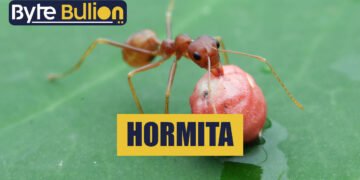



Hormita is a word that has generated a wave of online articles recently, most of them describing it as a warm, flexible concept tied to wellness, personal growth, or digital branding. Underneath that wave of speculative content sits one genuinely grounded linguistic origin, and separating the two is the key to actually understanding this word. This article walks through what is real, what is invented, and how the two got tangled together.
The Genuine Linguistic Root
The most consistently supported explanation across sources traces hormita back to Spanish, as a diminutive form connected to “hormiga,” the Spanish word for ant. In Spanish morphology, the suffix “-ita” is a well-established way to soften a word, adding a sense of smallness, affection, or endearment, the same pattern that turns “gato” (cat) into “gatita” (little cat) or “casa” (house) into “casita” (little house). Applied to “hormiga,” this pattern would produce something close to “little ant.”
It is worth being precise here, though. The standard, widely documented Spanish diminutive of “hormiga” is actually “hormiguita,” not “hormita.” Spanish dictionaries, including major reference sources like the Real Academia Española, document “hormiguita” as an established informal term, sometimes used to describe a hardworking or thrifty person, drawing on the cultural association between ants and diligence. “Hormita” appears to be a shortened or altered variation that sounds similar and carries a comparable feeling, without being the standard, dictionary-documented form itself.
This distinction matters. A genuine, standard Spanish diminutive with real cultural usage (“hormiguita”) exists and is well documented. “Hormita” sits adjacent to that real word, close enough in sound and feeling to borrow its warmth and meaning, but not identical to the form you would actually find in a Spanish dictionary or hear consistently in everyday speech.
The Cultural Symbolism Layered on Top
Separately from the precise linguistic question, several sources connect hormita to the broader cultural symbolism of ants across Spanish-speaking communities: discipline, teamwork, tireless effort, and modest but persistent strength. This symbolism is genuinely rooted in real cultural patterns, ants appear as symbols of hard work and cooperation across many cultures and languages, not just Spanish, showing up in folk tales, proverbs, and children’s stories worldwide.
Referring to someone as industrious or hardworking using ant-related language is a real, recognizable pattern in Spanish, even if the specific word “hormita” is not the standard dictionary form of that expression. This is a case where the underlying cultural association is authentic even though the exact word being used to carry it is a looser, informal variation rather than an established term.
Where the “Digital Concept” Content Comes From
Beyond the linguistic and cultural roots, a separate and much larger cluster of content describes hormita as a broader modern concept: a wellness philosophy, a symbol of incremental personal growth, a branding-friendly word for digital identity, or a “subtle force” shaping outcomes through accumulated small effort. This framing appears across numerous recently published articles, most of them using strikingly similar structure and tone despite officially disagreeing on what exactly hormita represents.
This pattern should look familiar if you have encountered other recently trending, ambiguous words: a real but relatively obscure linguistic root gets picked up by content publishers looking for a term with limited existing competition in search results, and a much broader, vaguer “concept” gets layered on top, one flexible enough to apply to wellness, branding, personal development, or digital culture without committing to any single, checkable claim.
Several of these articles are explicit about this flexibility, describing hormita as a term whose “meaning is not fixed” or which “does not have one strict definition,” while still presenting detailed frameworks around personal growth, mindfulness, or digital culture built on that admittedly undefined foundation.
How to Tell the Two Layers Apart
When you encounter content about hormita, or any similarly structured word, a few checks help separate the genuinely grounded material from the speculative layer built on top of it.
Check whether a specific linguistic claim is attributed to an actual dictionary or language authority. The connection to “hormiga” and Spanish diminutive patterns is checkable against real Spanish dictionaries and grammar references. The claim that hormita represents “a subtle force that shapes outcomes over time” is not checkable against anything, because it is not describing an established linguistic or cultural fact.
Notice when a source distinguishes between a standard word and a variant. Understanding that “hormiguita” is the standard, dictionary-documented diminutive, while “hormita” is a shortened, informal variation, gives you a more accurate picture than treating the two as interchangeable.
Separate cultural symbolism from invented philosophy. Ants representing hard work and cooperation is a real, widely attested cultural pattern. A specific claim that “hormita” constitutes a distinct wellness philosophy or personal development framework is a much newer, unsupported addition layered on top of that genuine symbolism.
Be skeptical of content that admits its own vagueness while still presenting confident frameworks. When an article states a term “does not have one strict definition” and then proceeds to describe detailed applications in branding, wellness, and digital culture, treat that combination as a signal that the detailed portion is speculative filler rather than established meaning.
Practical Uses You Can Actually Rely On
If you want to use this word with a reasonably accurate understanding of its roots, a few applications are defensible based on the genuine linguistic and cultural material available.
As an affectionate nickname or term of endearment, drawing loosely on the diminutive pattern and ant symbolism, in casual, informal contexts where precision to a dictionary is less important than warmth and tone. As a stylistic or brand-name choice, where its soft sound and loose connection to hardworking, diligent symbolism can work well precisely because it is not a rigid, formally defined term, similar to how many brand names borrow the feeling of a word without needing to match a dictionary definition exactly.
What is harder to defend is treating hormita as an established wellness philosophy, a recognized personal development framework, or a term with one authoritative, agreed-upon meaning beyond its loose connection to the Spanish diminutive pattern and ant symbolism.
Conclusion
Hormita sits in an interesting middle ground: a genuine, if slightly informal, connection to the Spanish diminutive pattern and the word “hormiga,” meaning ant, carrying real cultural associations with hard work and modest, persistent effort, layered underneath a much larger, more recent wave of speculative content describing it as a wellness philosophy, branding concept, or personal growth framework. The linguistic and cultural roots are checkable against real Spanish dictionaries and well-documented cultural patterns. The broader “concept” framing is not checkable against anything, and several of the sources presenting it openly acknowledge the term has no fixed, agreed-upon meaning. Understanding this distinction lets you appreciate the genuine warmth behind the word without mistaking the speculative content built around it for established fact.
Frequently Asked Questions
1. Is hormita a real Spanish word?
It is not the standard dictionary form. The genuine, documented Spanish diminutive of “hormiga” (ant) is “hormiguita.” Hormita appears to be an informal, shortened variation with a similar sound and feeling.
2. What does hormita actually mean?
Its closest grounded meaning connects to “little ant” through Spanish diminutive patterns, carrying cultural associations with hard work, diligence, and modest persistent effort.
3. Is hormita an established wellness philosophy or personal development framework?
No. This framing appears across recently published content but is not supported by any established linguistic, cultural, or academic source, and several articles presenting it openly admit the term has no fixed definition.
4. Why do ants symbolize hard work across so many cultures?
Ants are widely used as symbols of diligence, cooperation, and persistence across many cultures and languages, not just Spanish, appearing frequently in folk tales, proverbs, and children’s stories.
5. Can I use hormita as a nickname or brand name?
Yes, informally. Its loose connection to warmth, diligence, and Spanish diminutive patterns makes it usable in casual or branding contexts, even though it is not a formally standardized dictionary term.
Find what’s next and explore more at Byte Bullion