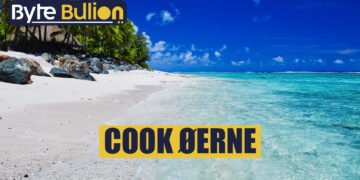



Cook Øerne, known in English as the Cook Islands, is a group of 15 small islands in the South Pacific Ocean, and it is one of the most relaxed places you can visit. The islands sit halfway between Tahiti and American Samoa, and they offer blue lagoons, white beaches, green mountains, and friendly local people. Most travelers pick Rarotonga for its easy comforts and Aitutaki for its famous lagoon. This guide explains where the islands are, when to go, how to get there, and what to do once you arrive. You will also find tips on money, safety, and a simple seven-day plan.
What Are Cook Øerne and Where Are They?
Cook Øerne are a self-governing island nation in the South Pacific, northeast of New Zealand. The group has 15 islands, and 12 of them have residents. The total land area is only about 91 square miles (236 square kilometers), but the islands spread across about 700,000 square miles (1.8 million square kilometers) of ocean.
The islands split into two groups. Nine islands lie in the south, and six lie in the north. Almost 1,000 kilometers (about 620 miles) of open sea separate the two groups. The southern islands are mostly volcanic, so they have green hills and forests. The northern islands are low coral atolls, and very few travelers visit them.
Rarotonga is the main island. It lies about 780 miles from Tahiti and about 2,140 miles from Auckland, New Zealand. The capital, Avarua, sits on Rarotonga, and so does the only international airport. About 13,000 people live in the country, and more than half of them live on Rarotonga.
The Cook Islands are a self-governing nation in free association with New Zealand. This means the people hold New Zealand citizenship and can live and work in New Zealand. Many have moved there, which is one reason the home population has gotten smaller over the years. The islands use New Zealand dollars, and English is an official language along with Cook Islands Māori.
How Did Cook Øerne Get Their Name?
The islands carry the name of British explorer Captain James Cook, who visited the southern group in the 1770s. Cook first called them the Hervey Islands. The group received the name Cook Islands in 1824.
People lived here long before any European arrived. Polynesian settlers sailed from Tahiti and reached the islands around the 6th century. Spanish sailors saw the northern islands in 1595, and Portuguese and Spanish ships passed by in 1606. Captain Cook arrived in 1773.
Missionaries and traders came in 1821, and they gained more and more influence with the local chiefs. Britain declared the islands a protectorate in 1888. New Zealand took control in 1901 and ran the islands until 1965, when the Cook Islands became self-governing.
This history still shapes daily life today. Church is very important, and the Cook Islands Māori language is close to the Māori language of New Zealand. Dance, music, and storytelling remain strong parts of the culture.
When Is the Best Time to Visit Cook Øerne?
The best time to visit Cook Øerne is from May to November, when the weather is drier and a little cooler. Rain falls less often in these months, and the air feels less sticky. This makes it the ideal season for beaches, snorkeling, and hiking.
Some travel companies list the best window as May to October, so you can think of the whole period as the dry season. Daytime temperatures stay pleasant, and nights feel comfortable.
The wet season runs from about November to April. It is warmer and more humid, and short, heavy showers are common. This is also the time of year when tropical storms and cyclones can happen. The islands are still beautiful in these months, and the plants look fresh and green. Many resorts also lower their prices, so you can save money if you accept a little more rain.
The islands have a mild climate all year, so no month is truly bad. If you want the best chance of sunny days, book between May and October. If you want lower prices and fewer crowds, think about the early wet season, and check the weather forecast before you go.
What Do You Need to Enter Cook Øerne?
Most visitors need only a valid passport, a return ticket, and proof of where they will stay. The country gives a free tourist visa on arrival, and it lasts up to 31 days. Citizens of New Zealand can stay up to 90 days without a visa.
Your passport should stay valid for at least six months after your planned travel date. Officials may also ask to see your booked accommodation and your ticket out of the country. Keep copies of these documents on your phone and on paper.
Entry rules can change, so always check the official government website of the Cook Islands or your own government’s travel advice before you book. Travel insurance is also a smart idea. Medical care on the outer islands is limited, and a policy can cover a flight to a bigger hospital if you need one.
How Do You Get to Cook Øerne and Get Around?
You reach Cook Øerne by plane, and you land on Rarotonga. The island has the only international airport in the country. Flights to Auckland leave once or twice a day, and flights to Sydney and Los Angeles usually run about once a week. Schedules can change, so check with your airline.
Travelers from Europe or Asia normally need several stops and a long journey. Many people connect through Auckland, Sydney, or Los Angeles. Plan a day or two to rest after you arrive, because the time difference is large. Cook Øerne use UTC-10, the same time as Hawaii.
Once you land, getting around is simple. Rarotonga has one main road that circles the island, and the whole loop is about 20 miles long. Two buses run on this road in opposite directions, and a full trip around the island takes about one hour. You can also rent a scooter, a bike, or a car. Remember that people drive on the left side of the road.
Small planes connect the bigger islands. The flight from Rarotonga to Aitutaki takes about 45 minutes. Boat trips between islands can be risky, because safety gear is not always on board and trips may be canceled with little warning. Whenever you can, choose a flight or a trusted tour company.
What Can You See and Do on Rarotonga?
Rarotonga offers beaches, hiking, markets, and culture, all within a short drive. The island is small, so you can reach almost any spot in less than 30 minutes.
Start in Avarua, the capital. The town has small shops, cafés, and the lively Punanga Nui Market, which opens every Saturday. You can buy fresh fruit, flower crowns, handmade clothes, and local snacks there. Arrive early, because the best items go fast.
Next, spend time on the water. A coral reef circles Rarotonga, and it creates a calm lagoon that is safe for swimming. Muri Beach is the most popular spot. The water is shallow, the sand is soft, and you can snorkel and see colorful fish close to the shore. Kayaks and paddleboards are easy to rent here.
If you like hiking, try the walk to Te Rua Manga, also called The Needle. This steep trail goes through thick rainforest and ends at a rock spire. From the top, you see the whole island and the ocean around it. Wear good shoes, bring water, and start early to avoid the heat. Guided hikes are a good choice for first-time visitors.
You can also join a 4WD tour into the mountains. These trips reach places that are hard to find alone, such as waterfalls and quiet valleys. At night, many resorts host dance shows and island feasts with drums and traditional food.
Why Is Aitutaki Worth the Trip?
Aitutaki is worth the trip because it has one of the most beautiful lagoons in the Pacific. It is the second-largest island in the country, and you reach it with a short flight from Rarotonga.
A big coral reef surrounds Aitutaki and protects a wide lagoon with clear, light blue water. Small sandy islets sit inside the lagoon, and many people describe the view as a postcard come to life. A boat cruise is the best way to see it. Most tours include snorkeling stops, where you swim with bright fish and giant clams, plus a picnic on a quiet beach.
One Foot Island, called Tapuaetai in the local language, is the most famous stop. Many travelers rate its beach among the finest in all of Oceania. Visitors can even get a special stamp in their passport there, so bring your passport on the tour.
The island itself is peaceful and slow. There are few cars, and only one taxi, so most people rent a bicycle. You can ride from one end of the island to the other in a short time. For a special evening, book a private sunset cruise on the lagoon. The colors in the sky and the water make a memory that lasts.
Which Other Islands Can You Visit?
Beyond Rarotonga and Aitutaki, you can visit smaller islands such as Atiu, Mitiaro, Mauke, and Mangaia. These islands see far fewer tourists, so they feel quiet and authentic.
Each island has its own character. Mangaia is a raised volcanic island with high cliffs and caves. Atiu is known for its caves, birds, and local coffee. Mitiaro and Mauke offer walks, small villages, and warm hospitality. Guesthouses are simple, and the schedule often depends on flight days, so plan your timing with care.
The northern islands, such as Penrhyn and Manihiki, are even more remote. Very few travelers reach them, and flights are rare. These islands are famous for pearl farming. In fact, the Cook Islands rank among the largest producers of black pearls in the world, and you can buy pearl jewelry in shops across Rarotonga.
If you have only one week, stay with Rarotonga and Aitutaki. If you have two weeks, add one more island, and you will see a quieter side of the country.
What Are the Culture and Food Like?
Culture in Cook Øerne centers on family, church, music, and dance. Polynesian traditions remain strong, and locals love to share them with guests. Drums, ukuleles, and group singing are part of everyday life.
On Sunday morning, many visitors attend a church service. The congregations sing without instruments, and the sound is powerful. Dress modestly, and enter with respect. Even if you do not attend, you will notice that the island is quiet on Sundays, and many shops close.
Food is fresh and simple. A common meal includes grilled tuna, fried bananas, sweet potato, and tropical fruit. Fish is caught daily, and papaya, mango, and coconut grow everywhere. Many resorts host island nights with a buffet and a dance show. The Saturday market is another great place to taste local snacks and fresh juice.
You should also learn a few words in Cook Islands Māori. “Kia orana” is the common greeting, and it means roughly “may you live long.” Locals smile when visitors try to speak their language, and it helps you make friends quickly.
What Should You Know About Money and Daily Life?
The money in Cook Øerne is the New Zealand dollar, and the country also issues its own coins. Those coins are popular souvenirs, but you cannot use them outside the islands. Credit and debit cards work in towns, hotels, and larger restaurants. In small villages and rural areas, you need cash. ATMs exist in the main areas, but they are not common, so withdraw money before you travel to a smaller island.
The country code for phone calls is +682. The plugs are Type I, the same type used in New Zealand and Australia, so bring an adapter if you come from the United States or Europe. Tap water rules can change by island, so ask your hotel before you drink it, and pack reef-safe sunscreen to protect the coral.
English is widely spoken, so communication is easy. Life moves at an island pace, and people call this “island time.” Service can be slow, and that is normal. Relax, smile, and enjoy it.
Is Cook Øerne Safe for Travelers?
Cook Øerne are generally safe, and crime is low. Locals are friendly, and most visits go smoothly. Still, you should use the same common sense you would use anywhere.
The biggest risks come from the outdoors and the roads. Road conditions and traffic safety vary from island to island, and many accidents involve scooters. Wear a helmet, drive slowly, and never ride after drinking alcohol. Ocean currents can also be strong near reef openings, so swim in marked or calm areas and ask locals where it is safe.
During cyclone season, watch the weather news, and follow instructions from your hotel. Keep your valuables out of sight on the beach, and lock your room. With basic care, you can relax and enjoy the trip.
How Many Days Do You Need? A Simple Seven-Day Plan
A week is enough for a relaxed first visit. This plan balances adventure and rest:
- Days 1 to 2, Rarotonga: Arrive, rest, and swim at Muri Beach. Visit Avarua and the Saturday market if the timing works.
- Day 3, Rarotonga: Hike to Te Rua Manga with a guide, then enjoy an island night dinner.
- Day 4, Rarotonga: Join a 4WD tour or rent a bike and ride around the island.
- Days 5 to 6, Aitutaki: Fly over, take a lagoon cruise, and visit One Foot Island.
- Day 7, Aitutaki: Cycle around the island, enjoy a final swim, and fly back to Rarotonga for your departure.
If you can stay ten to fourteen days, add one quieter island such as Atiu or Mangaia.
Conclusion
Cook Øerne give travelers a rare mix of calm beaches, warm people, and real Polynesian culture. Plan your trip between May and November for the best weather, and bring your passport, a return ticket, and proof of your hotel. Spend time on Rarotonga for hiking and markets, then fly to Aitutaki for the lagoon. Go slowly, learn a few local words, and respect the local customs. With this guide, you can plan a smooth and memorable trip.
FAQs About Cook Øerne
Where is Cook Øerne located?
Cook Øerne lie in the South Pacific Ocean, northeast of New Zealand and roughly halfway between Tahiti and American Samoa. The country has 15 islands in two groups. Rarotonga, the main island, is about 2,140 miles from Auckland, and it has the only international airport.
Do you need a visa for Cook Øerne?
Most visitors get a free tourist visa on arrival, and it allows a stay of up to 31 days. You need a passport valid for six months, proof of your accommodation, and a return ticket. Rules can change, so check official government sources before you travel.
What is the best month to visit Cook Øerne?
The best months run from May to November, with the driest and most comfortable weather. Rain is rare, and humidity is lower. The wet season starts around November and brings showers and a small risk of cyclones, but hotel prices are often lower then.
What currency do they use in Cook Øerne?
The country uses the New Zealand dollar and also issues its own coins, which only work locally. Cards are common in towns and hotels, but small villages need cash. ATMs are limited, so take enough money before you visit smaller islands.
How many islands can tourists visit?
Tourists can visit most of the southern islands, but Rarotonga and Aitutaki are by far the most popular. Atiu, Mitiaro, Mauke, and Mangaia welcome fewer guests. The remote northern islands, like Penrhyn and Manihiki, are very hard to reach and see few travelers.