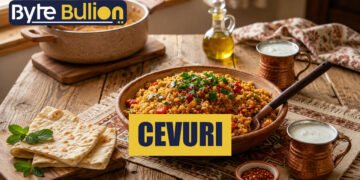



Cevurı is a name that has recently generated a wave of detailed food articles describing it as a traditional Turkish or Anatolian dish, complete with ingredient lists, cooking methods, and cultural history. There is a real word hiding underneath this content, but it has nothing to do with food. This article separates the genuine Turkish linguistic root from the fabricated recipe content built around it.
What the Food Articles Claim
The recipe-focused content describing cevurı is detailed and specific: a slow-cooked dish combining meat (usually lamb, beef, or chicken), grains like rice, bulgur, or wheat, vegetables such as onions, tomatoes, eggplants, and peppers, and spices including cumin, black pepper, and paprika. Several articles describe its supposed origins among nomadic Turkic tribes in Central Asia, its migration into Anatolia, and its role in family gatherings and cultural festivals. Some pieces get quite specific, describing marination techniques using yogurt, particular cooking vessels, and regional variations across different parts of Turkey.
This is a notably more detailed and specific style of content than the vague “concept” articles seen around many other ambiguous trending terms. Recipe content lends itself to concrete, checkable-sounding detail: specific ingredients, specific techniques, specific cultural claims. That specificity is exactly why it is worth checking against real culinary sources rather than accepting it at face value.
The Problem: No Verification in Authoritative Turkish Culinary Sources
When checked against actual, authoritative sources on Turkish and Anatolian cuisine, cevurı does not appear as an established, documented traditional dish name. One source that directly investigated this gap states the situation plainly: cevurı could not be verified as an established traditional dish name in the authoritative Turkish culinary sources checked, making the most accurate description an emerging or internet-circulated term rather than a genuinely documented regional recipe.
This gap matters. Turkish cuisine is extensively documented, both in Turkish-language culinary scholarship and in English-language food writing covering regional Anatolian dishes. Genuinely traditional dishes, even relatively obscure regional ones, typically show up in cookbooks, food history writing, or at minimum consistent description across Turkish-language sources. A dish this consistently described across English-language content, with this much specific detail about ingredients and technique, having no corresponding presence in Turkish culinary references, is a meaningful red flag.
Where the Word Actually Comes From
Separately from the food content, a different thread of material connects cevurı to a real linguistic root: the Turkish verb çevirmek, meaning to translate, to turn, to convert, or to transform. From this verb comes the standard Turkish noun çeviri, meaning translation, a genuine, well-established word in the Turkish language.
Cevurı, spelled without the Turkish dotless ı or standard diacritics, reads as a plausible informal or transliterated variant of çeviri, translation. This is a far more linguistically grounded explanation than the fabricated dish content, since çeviri is a real, dictionary-documented Turkish word with a clear etymology, unlike the food content, which has no such grounding.
Why Two Completely Different Explanations Exist for the Same Word
The most plausible explanation for this split follows a pattern seen repeatedly with ambiguous trending terms. A distinctive-looking word or phonetic spelling, in this case, an informal rendering of a real Turkish word related to translation, starts generating search interest, whether from people genuinely curious about the Turkish language, from transliteration searches, or from other sources. Content publishers looking for topics with limited existing search competition notice this activity and build content around the term, but rather than researching its actual linguistic meaning, different publishers independently guess at what kind of content might perform well.
Food content is a reliably popular content category, and “traditional dish from an exotic-sounding culture” is a familiar, formulaic content template that can be produced without deep verification. This appears to be exactly what happened here: publishers built recipe-style content around an unfamiliar-sounding word without checking whether it actually referred to a dish at all, while a separate, smaller thread of content did the more careful work of tracing the term back to its real linguistic origin in the Turkish word for translation.
How to Tell the Difference When Researching Food Terms
This case offers a useful, generalizable lesson for anyone researching an unfamiliar dish name encountered online, especially given how much AI-assisted and low-effort content generation has increased in the food and recipe space specifically.
Check whether the dish appears in authoritative culinary sources for its claimed cuisine. For Turkish food specifically, established English-language and Turkish-language culinary references, cookbooks by recognized authors, and food history writing are the places a genuinely traditional dish should show up, not exclusively in newly published blog content.
Be suspicious of extremely detailed claims with no cross-referencing. A dish description that includes highly specific claims, exact regional origins, specific historical migration patterns, precise ingredient ratios, without citing any specific source for that detail, is a sign the specifics may have been generated to sound plausible rather than researched.
Search for the dish name using its actual native spelling and language. If a dish is genuinely Turkish, searching using proper Turkish spelling and even searching in Turkish-language sources directly can reveal whether native speakers and Turkish food writers actually recognize and discuss the dish, which is a much stronger signal than English-language content alone.
Notice when a name has a more plausible non-culinary linguistic explanation. In this case, the existence of a genuine, well-documented Turkish word, çeviri, phonetically close to the trending term, is a stronger explanation for the term’s origin than a previously undocumented traditional dish suddenly gaining widespread attention.
Consider whether the “dish” content appeared suddenly and simultaneously across many sources. Genuine traditional dishes accumulate documentation gradually over years or decades. A cluster of detailed recipe articles for a previously undocumented dish, appearing across many different websites within a short time window, fits the pattern of coordinated or automated content production rather than organic culinary documentation.
Should You Try Making “Cevurı”?
Given that the specific dish does not appear to be a genuinely documented traditional recipe, the honest answer is that there is no verified, authentic version of this dish to try making. That does not mean the described ingredients and techniques would necessarily taste bad, slow-cooked combinations of meat, grains, vegetables, and warming spices like cumin and paprika are genuinely common and delicious across many Anatolian and broader Middle Eastern and Central Asian culinary traditions. But if you are interested in genuine Turkish and Anatolian cuisine specifically, you are much better served looking into well-documented, authentic dishes with real cultural history, such as varieties of pilaf, kebabs, or regional stews with actual, traceable culinary documentation, rather than a name that appears to have been assigned invented recipe content after the fact.
What This Means If You Encountered This Term While Learning Turkish
If your interest in cevurı relates to language learning rather than food, the genuinely useful information here is the connection to çevirmek and çeviri, real, foundational Turkish vocabulary related to translation and transformation. Understanding that cevurı likely represents an informal or transliterated rendering of çeviri, rather than a separate word in its own right, gives you a more accurate linguistic foundation than either the food content or the vaguer “transformation concept” content that has also appeared around this term, describing it abstractly as representing personal growth or symbolic change without grounding that description in the actual, documented Turkish vocabulary it most plausibly derives from.
Conclusion
Cevurı does not correspond to a verified, documented traditional Turkish or Anatolian dish, despite a wave of detailed recipe content describing specific ingredients, cooking techniques, and cultural history. The much more plausible, linguistically grounded explanation for this term traces back to çeviri, the standard Turkish word for translation, derived from the verb çevirmek. If you encountered this term through food content, treat the recipe claims as unverified rather than authentic, and look toward well-documented Anatolian dishes if you want to explore genuine Turkish cuisine. If you encountered it through language interest, the connection to çeviri and translation is the more solidly grounded thread worth following.
Frequently Asked Questions
1. Is cevurı a real traditional Turkish dish?
No verified evidence supports this. Authoritative Turkish culinary sources do not document cevurı as an established traditional dish, despite detailed recipe content describing one.
2. What is the real meaning behind the word cevurı?
The most linguistically plausible explanation connects it to çeviri, the standard Turkish word for translation, derived from the verb çevirmek, meaning to translate or transform.
3. Why do so many food websites describe cevurı as a traditional dish?
This fits a pattern where content publishers build formulaic “traditional dish” content around unfamiliar-sounding words without verifying whether the word actually refers to a real, documented recipe.
4. Should I try cooking the “cevurı” recipes I found online?
The described ingredients, slow-cooked meat, grains, vegetables, and spices, are common and tasty across genuine Anatolian cuisine, but there is no verified authentic dish specifically called cevurı to recreate.
5. Where can I find genuinely documented Turkish and Anatolian recipes?
Look for established cookbooks by recognized culinary authors, Turkish-language food sources, and dishes with consistent, cross-referenced documentation, such as regional pilafs, kebabs, and traditional stews.
Find what’s next and explore more at Byte Bullion