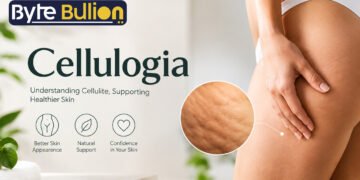



Cellulogia is a word that keeps popping up on beauty blogs, wellness sites, and social media, usually next to promises of smoother skin. It sounds like a medical science, but it is not one. Different websites use the term for a suction and roller massage, a cellulite cream, or a general skin health idea. That mix of meanings makes it hard to know what you are actually buying or trying. This guide explains what cellulogia means, how the claims match up with advice from groups like the Mayo Clinic, the Cleveland Clinic, and the American Academy of Dermatology (AAD), and what you can do to make cellulite less noticeable without wasting time or money.
What Does Cellulogia Mean?
Cellulogia has no single agreed meaning, because each website defines it in its own way. When you search the term, you find at least three different uses:
- A machine treatment. Several beauty sites describe cellulogia as a non-invasive treatment. A handheld head pulls the skin with gentle suction while motorized rollers knead the area. The goal is to boost blood flow and lymph drainage and to smooth the look of the skin.
- A topical product. One reviewer describes cellulogia as a cream that combines caffeine, retinol, peptides, and hydrating ingredients. The reviewer reports softer texture and less visible dimpling, but not cellulite-free skin.
- A wellness idea. Other pages describe cellulogia as a broad concept about cellular stimulation, connective tissue health, and healthy habits like good nutrition, hydration, and exercise.
These uses overlap, but they are not the same thing. A cream, a machine, and a lifestyle plan work in very different ways, and each one carries different costs and risks. Before you spend money, ask exactly which version a seller means.
Is Cellulogia a Real Medical Treatment?
No, cellulogia is not a recognized medical field or an established treatment in dermatology. Several sites that use the word say this themselves. One wellness page notes that cellulogia is not an officially recognized field of study in medical science, and another states that it is not a formal specialty within dermatology.
The research on cellulite points the same way. The clinical trials we reviewed test named methods, such as collagenase injections, lasers, and acoustic wave therapy. They do not test a treatment called cellulogia.
That does not mean every idea linked to the word is useless. Massage, regular movement, and better nutrition all support healthy skin and circulation. It does mean you should treat bold promises with care, because a catchy name is not proof that something works.
What Is Cellulite, and Why Does It Appear?
Cellulite is a common, harmless skin condition that creates a dimpled or lumpy look, mostly on the thighs, hips, buttocks, and belly, according to the Mayo Clinic. People often compare the texture to orange peel or cottage cheese.
Here is what happens under the surface. Strong, fibrous cords connect your skin to the muscle below. Fat cells sit between those cords. When the cords pull down, stretch, or break, and the fat cells push up, the skin surface looks bumpy.
A few facts help put cellulite in perspective:
- Researchers estimate that about 85 to 90 percent of women develop cellulite after puberty.
- Men can have it too, but women are much more likely to get it.
- Genetics, age, and lifestyle all play a role, and cellulite tends to run in families.
- People of every body shape can have cellulite, although extra weight can make it more visible.
- Doctors still do not know the exact cause.
Cellulite poses no health risk and does not need treatment. If it bothers you, though, you have options.
How Does Cellulogia Claim to Work?
Most cellulogia pages describe a device that lifts the skin with suction while rollers massage it. Sellers say this warms the tissue, improves blood flow, supports lymph drainage, and makes the surface look smoother. They also say results build over several sessions and need regular upkeep.
This idea is not new. Endermologie, a French technique used since the mid-1990s, uses a handheld machine to knead the skin between rollers. The Mayo Clinic says the FDA has approved it as a medical device with little potential to cause harm. Mayo also says you may notice a slight improvement after a number of sessions, but the results are short-lived.
Another method, called TriActive, combines a low-level laser with suction and skin manipulation. According to MedicineNet, it also needs multiple sessions and maintenance treatments to keep the improved look.
So the suction and roller approach has a real history. It simply has a modest track record.
Does Cellulogia Really Work for Cellulite?
Cellulogia may make cellulite look a little smoother for a short time, but no strong evidence shows that it removes cellulite. Three points explain why.
First, similar massage methods give small, short-lived changes. The Mayo Clinic describes the improvement from roller massage as slight and temporary. The AAD adds that when people do see results from cellulite treatments, they seem to need ongoing sessions to keep them.
Second, newer device studies often lack a strong design. A recent Italian study tested a device that combines vacuum and electromagnetic fields over 12 weekly sessions, and the team reported good results. However, the study had no control group. The paper itself also notes that cellulite therapies often bring modest, temporary results.
Third, personal reviews are not proof. One reviewer who tried a cellulogia cream said it did not erase cellulite but improved texture and boosted confidence. That is a fair and honest account, yet it reflects one person’s experience. Lighting, posture, hydration, and even a tan can change how cellulite looks in a photo.
Which Cellulite Treatments Have Better Proof?
Treatments that loosen the fibrous bands under the skin, or that thicken the skin, have the strongest track records, and trained providers perform them. The table below sums up what major health sources report.
| Option | How it works | What sources report |
|---|---|---|
| Acoustic wave therapy | A handheld device sends sound waves into the area | The Cleveland Clinic says it may take about six weeks of treatment, with results lasting two to six months |
| Laser treatment | A tiny laser fiber breaks up tight bands and helps thicken the skin | Results may last a year or longer, according to the Cleveland Clinic |
| Subcision | A doctor uses a needle or tiny blade to separate the bands | The Mayo Clinic says results may last two to three years |
| Retinol cream (0.3 percent) | Thickens the skin so dimples show less | The Mayo Clinic says you may not notice an effect for six months or longer |
These options cost more and need a trained provider. Bruising and short-term discomfort can happen after procedures. The Mayo Clinic also notes that a mix of treatments may give the most satisfying results. A board-certified dermatologist can tell you which choice fits your skin and your budget.
Do Cellulite Creams Work?
Most cellulite creams do not deliver lasting results, and the evidence is mixed even for popular ingredients. The Cleveland Clinic says no scientific evidence shows that caffeine creams, retinol, or other topical products permanently reduce cellulite. A Mayo Clinic Q&A states that no over-the-counter remedy has been proven effective, and it warns that some creams can cause a rash.
There is one small exception. The Mayo Clinic’s treatment page says a 0.3 percent retinol cream has been shown to improve the look of cellulite by thickening the skin. You may need to use it for six months or longer before you see a change.
If you decide to try a cream, keep these tips in mind:
- Patch test it on a small area first.
- Use it daily for several months, not several days.
- Skip creams that promise to melt fat or remove cellulite for good.
- Ask your doctor before using retinol if you are pregnant or nursing.
Can Exercise and Daily Habits Help?
Yes, regular exercise and steady habits can make cellulite less noticeable, even though they cannot erase it. The Cleveland Clinic explains that exercise builds muscle mass, which can flatten the look of cellulite, and that sitting most of the day can add to the problem. The AAD says replacing fat with muscle makes cellulite less visible, and that extra weight can make it easier to see.
Try these simple steps:
- Walk, bike, swim, dance, or climb stairs most days. The Mayo Clinic lists these as good choices that also support circulation.
- Add strength moves for your legs and glutes, such as squats, lunges, and step-ups, a few times a week.
- Eat plenty of fruits, vegetables, whole grains, and fiber.
- Avoid smoking, because it harms overall skin health.
- Pick a routine you enjoy, because steady habits beat short bursts of effort.
Is Cellulogia Safe?
Gentle suction and roller treatments carry a low risk for many healthy adults, but safety depends on the device, the provider, and your health. The Mayo Clinic says endermologie, a similar technique, has little potential to cause harm.
Still, some cellulogia sites list groups who should skip it, including people with skin infections, severe heart problems, or varicose veins, and women who are pregnant. Those lists come from sellers, not from clinical guidelines, so ask your doctor if any of these apply to you.
Before you book a session, check these points:
- Ask for the exact name of the device and whether the FDA has cleared or approved it.
- Ask who runs the treatment and what training that person has.
- Ask about side effects, such as redness, bruising, or soreness.
- Stop and call your doctor if you notice a rash, severe pain, or signs of infection.
What Is the Difference Between Cellulite and Cellulitis?
Cellulite is a harmless change in skin texture, while cellulitis is a bacterial skin infection that needs medical care. The two words look alike, and some low-quality pages mix them up. Cellulogia is not a medical term for either one.
The Cleveland Clinic explains that cellulitis starts when bacteria, most often strep and staph, enter the skin through a wound. Doctors treat it with antibiotics, and most people recover in seven to 10 days. Red, warm, swollen, and painful skin are common warning signs, and fever can appear too. See a doctor quickly if you notice these signs. No massage, cream, or device will treat an infection.
How Can You Spot Cellulogia Hype?
Look for big promises and missing details. Watch for these red flags:
- Claims of permanent or total cellulite removal.
- Promises of instant results with no effort.
- No named doctor, company, or clinical study.
- Only glowing reviews, with no mention of side effects.
- Before and after photos with different lighting, poses, or tans.
- Pressure to buy a large package up front.
Honest providers give clear answers. They explain what the treatment can and cannot do, how many sessions you will need, how much it costs, and who should not have it. If a seller avoids those questions, walk away.
What Results Should You Expect?
Expect smoother-looking skin at best, not full removal. The Cleveland Clinic states plainly that you cannot get rid of cellulite for good, and the Mayo Clinic says even proven treatments bring results that are neither immediate nor long lasting.
To keep your expectations healthy:
- Take photos in the same light, pose, and place every two weeks.
- Give a new routine enough time. A retinol cream can take six months, and many device plans run for several weeks.
- Set a budget and a stop date before you start.
- Remember that cellulite is normal. The Cleveland Clinic notes that people of all body shapes have it, and many never need treatment.
Conclusion
Cellulogia is a catchy name, not a proven medical treatment. Websites use it for a suction and roller massage, a cream, or a wellness plan, and none of those uses has strong proof of lasting results. Massage-style methods may smooth the skin for a short time, while exercise, muscle building, and doctor-led treatments have better support. Cellulite is common and harmless, so you do not have to fix it. If you want to try something, ask clear questions, start with low-risk habits, and talk with a dermatologist before you pay for a big package.
FAQs
What is cellulogia in simple words?
Cellulogia is an online term that most sites use for a non-surgical cellulite treatment, often a suction and roller massage or a cream. It is not a recognized medical field. Because sellers define it in different ways, always ask what the product or service includes before you buy.
Is cellulogia approved by the FDA?
We found no FDA approval or clinical trial under the name cellulogia. Some similar roller massage devices, such as endermologie, have FDA approval as medical devices. Ask any provider for the exact device name and its approval status, and then check that information with the FDA or your doctor.
How long do cellulogia results last?
Some sites claim six to twelve months, but they offer no strong proof. Trusted medical sources say massage-based results are short-lived and fade without upkeep. Plan on temporary smoothing at best, and talk with a dermatologist if you want longer-lasting options like laser treatment or subcision.
Can cellulogia remove cellulite for good?
No. The Cleveland Clinic says you cannot get rid of cellulite completely, and the Mayo Clinic says even proven treatments bring temporary improvement. Cellulogia may make the skin look smoother for a while, but dimples can return. Healthy habits and ongoing care help you keep your results.
What works best for cellulite?
Regular exercise, muscle building, and a healthy weight help many people. For stronger results, dermatologists offer acoustic wave therapy, laser treatment, and subcision. A 0.3 percent retinol cream may help slightly over six months or more. Talk with a board-certified dermatologist to match the option to your skin and budget.