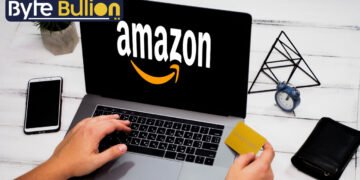



AMZN MKTP US is the short billing name Amazon uses when you buy something from its online Marketplace. Many shoppers spot this charge on a bank or credit card statement, cannot match it to a clear product name, and start to worry that someone stole their card. In most cases, the charge is real and simply reflects a recent Amazon order, yet the vague wording still leaves plenty of people confused. This guide explains what the charge means, why it shows up, how to confirm it, and what steps to take if the purchase was never yours.
What Does AMZN MKTP US Mean?
The code breaks down into three simple parts. “AMZN” is Amazon’s shortened name, “MKTP” stands for Marketplace, and “US” shows that the sale happened on the United States version of the site. Together, the descriptor tells you that you paid for an item sold through Amazon Marketplace, the platform where third-party sellers list their products next to Amazon’s own inventory.
Banks and card networks limit how much text can appear on a statement, so Amazon uses this shorthand instead of the full product name. That is why you see a generic label rather than the title of the book, phone case, or kitchen gadget you actually ordered. The system keeps statements short, but it also hides the detail most people want to see.
Why Does This Charge Appear on Your Statement?
Several types of purchases can trigger the AMZN MKTP US label. The most common reason is a standard order from a third-party seller. Digital items such as Kindle books, apps, and games often bill this way too, and subscription renewals tied to your Amazon account can appear the same way.
Timing adds to the confusion. Amazon usually charges your card when an item ships, not when you place the order, so a single order split into two shipments can show up as two separate charges on different dates. Shared accounts play a role as well. If your family uses one Amazon Household, a spouse or teenager may have placed the order that you do not recognize.
Is AMZN MKTP US a Scam?
For most people, this charge is legitimate and points to a real purchase rather than fraud. Amazon relies on standard merchant codes to keep billing simple, and the missing product name is a normal result of that system, not a warning sign on its own.
Real fraud does happen, though. Warning signs include a charge that matches no order in any of your Amazon accounts, a charge that appears after you closed your account, or an amount far larger than anything you would normally spend. If any of these apply, treat the charge as suspicious and verify it right away using the steps below.
How to Check What the Charge Is For
Start inside your Amazon account. Sign in, open “Your Orders,” and compare the dates and dollar amounts on your statement with your recent purchases. Amazon also offers a transaction lookup tool that lets you search by the last four digits of the card that was charged, which helps you find the matching order fast.
Your email inbox is the second place to look. Amazon sends a confirmation receipt for every purchase, so a quick search for “Amazon” often reveals the exact item, seller, and price. Check any other accounts you own too, such as a business account or a partner’s login, since the charge may sit there instead.
What to Do If the Charge Is Unauthorized
If you still cannot match the charge to any order, contact Amazon customer support and report it as unauthorized. Amazon can review the activity, confirm whether an order exists, and guide you through a return or refund when one applies.
You can also protect yourself through your bank. If Amazon finds no matching order, dispute the charge with your credit card company or bank so they can reverse it and issue a new card if needed. To lower future risk, turn on two-factor authentication, use a strong password, and review your statements often.
Conclusion
AMZN MKTP US simply marks a purchase from Amazon’s US Marketplace, and it is usually nothing to fear. A quick look at your order history or email receipts will confirm the charge in minutes. If the purchase truly is not yours, act fast with Amazon and your bank to keep your money and account safe.
Frequently Asked Questions
1. What does AMZN MKTP US stand for?
It stands for Amazon Marketplace US, a purchase made from a seller on Amazon’s United States site.
2. Is AMZN MKTP US the same as Amazon Prime?
No. Prime membership fees usually show as “Amazon Prime,” while AMZN MKTP US marks regular Marketplace or product orders.
3. Why is there no item name on the charge?
Bank statements allow limited text, so Amazon uses a short code instead of listing the full product name.
4. Can a family member cause this charge?
Yes. Anyone sharing your Amazon Household or account login can place an order that appears under this label.
5. How do I dispute an AMZN MKTP US charge?
Report it to Amazon support first, and if no order matches, dispute it with your bank or credit card company.
Find what’s next and explore more at Byte Bullion