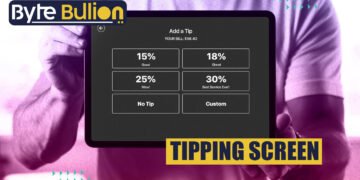



A tipping screen is the digital point-of-sale display, usually a swiveling tablet, that prompts customers to select a tip amount before completing a purchase, often defaulting to suggested percentages of 18 percent or higher. What started as a convenient digital replacement for a paper tip line has become one of the more contentious features of modern checkout, generating genuine consumer backlash, academic research, and even some businesses choosing to remove the feature entirely. This article covers where tipping screens came from, why they generate so much frustration, what the data actually shows, and how both consumers and businesses are responding.
What a Tipping Screen Actually Is
A tipping screen is the digital interface, typically part of a point-of-sale system running on a tablet or touchscreen terminal, that appears during checkout and asks the customer to select a tip amount before finalizing payment. Rather than the traditional approach of writing in a tip amount on a paper receipt after the fact, these systems present a menu of preset percentage options, commonly starting around 18 to 20 percent, alongside a smaller “no tip” or “custom amount” option, before the transaction can be completed.
The technology became widespread following a broader shift toward digital, contactless payment systems, a shift that accelerated considerably during the COVID-19 pandemic as businesses moved away from cash and toward tablet-based checkout systems for both hygiene and efficiency reasons.
How Tipping Screens Differ From Traditional Tipping
The core difference isn’t really about whether tipping happens, tipping in service industries predates digital point-of-sale systems by generations, but about how the request is presented and the psychological dynamics that presentation creates.
Default options are pre-selected and prominent. Rather than a blank line where a customer decides their own amount, tipping screens present specific percentage buttons, often set notably higher than the traditional 15 to 20 percent range that was standard etiquette in the past, with some businesses defaulting starting points as high as 30 percent or more.
Opting out requires an extra, less visible step. On many digital point-of-sale screens, the buttons to skip tipping or enter a custom amount appear smaller and less prominent than the default suggested tip buttons, requiring extra clicks or taps to select, making the path of least resistance the higher, pre-selected default rather than a deliberate choice.
The request happens in front of the employee, in real time. Unlike writing in a tip amount privately on a receipt afterward, a tipping screen typically requires the customer to make their selection while the employee, or sometimes other customers in line, can potentially see the screen, adding a layer of social pressure that a private, after-the-fact paper tip line doesn’t carry in the same way.
Tipping prompts now appear in transactions that traditionally didn’t include them. Perhaps the most notable shift is “tip creep,” the expansion of tipping prompts into transaction types where gratuity was historically uncommon, including some self-checkout kiosks, quick-service counters, and retail transactions that involve minimal or no direct service interaction.
What the Data Shows About Consumer Frustration
Survey research on this topic paints a consistent picture of genuine, measurable frustration. One survey found that 59 percent of consumers say they feel compelled to leave a tip specifically when a digital screen asks for one, though notably down from 66 percent measured just months earlier, suggesting the initial compliance pressure may be gradually softening as consumer awareness and pushback grow.
Separate research has found that a meaningful share of consumers, roughly a third in some surveys, believe tipping expectations have gotten out of hand, with digital point-of-sale prompts specifically identified as a significant contributing factor. Industry-specific data shows particularly high compliance pressure in certain contexts: taxi and rideshare services saw a large majority of consumers prompted to tip by a digital screen, with meaningfully high rates also reported at fast-food restaurants and after personal grooming services like haircuts, categories where tipping was historically less standard or entirely absent.
More recent survey data suggests consumers are actively pushing back by reducing tips across several categories, including restaurants, grocery delivery, hotel staff, taxi and rideshare services, auto repair, and hair salons and barbers, indicating that the initial wave of pandemic-era tipping generosity has given way to a more resistant, fatigued consumer response as the practice has expanded and intensified.
Why Design Experts Call Some Tip Screens “Coercive”
This isn’t just consumer griping without substance behind it. Product design researchers and experts have specifically studied the interface choices behind many tipping screens, and Capterra’s Tipping Fatigue Survey identified deliberate design patterns that push customers toward selecting a higher, pre-selected default tip rather than customizing or declining. The core issue researchers point to is straightforward: when the path requiring the least effort, tapping the largest, most prominent button, happens to correspond to the highest tip amount, while opting out or customizing requires extra steps and smaller interface elements, that design choice itself shapes behavior regardless of what a customer might have chosen with a truly neutral, blank interface.
This pattern echoes broader concerns researchers have raised about “dark patterns” in digital interface design more generally, a term describing interface choices deliberately structured to nudge users toward a business-favorable outcome rather than presenting genuinely neutral options.
The Business Perspective
It’s worth understanding why businesses adopted these systems in the first place, and why some are now reconsidering them. From a business standpoint, digital tipping systems offer genuine operational advantages: automated tip processing eliminates manual calculation and distribution errors, digital records simplify tax reporting and compliance, and businesses in tip-reliant industries genuinely depend on customers tipping adequately to ensure workers earn a sustainable income.
At the same time, a growing number of business owners report discomfort with the backlash their own tipping screens generate, with some specifically describing customer irritation with the prompts and choosing to deactivate the feature, customize the displayed percentage options to something lower, or simply ask customers directly whether they’d like to leave a tip rather than defaulting to an automated screen prompt.
Why This Trend Emerged When It Did
The rise of aggressive digital tipping prompts connects to a few converging factors. The pandemic accelerated a broader shift away from cash and toward digital, contactless payment systems, creating fewer traditional avenues, like a visible tip jar, for customers to leave gratuity, while simultaneously pushing more businesses toward tablet-based checkout systems that happened to include built-in tipping prompt functionality by default. Genuine economic pressure on service workers during and after the pandemic led to increased social pressure and goodwill toward tipping generously to support essential workers, a sentiment some businesses and point-of-sale software providers subsequently built more assertive tipping defaults around, sometimes outlasting the specific pandemic-era circumstances that originally motivated the generosity.
How to Handle a Tipping Screen as a Consumer
If digital tipping prompts genuinely bother you, a few practical approaches can help you navigate the situation without feeling unduly pressured.
Remember that declining or selecting a lower amount is always an option, even when the interface makes that option less visually prominent than the suggested defaults. Taking the extra tap or click to select a custom amount or decline is a completely reasonable choice.
Consider the actual service context. A tip prompt appearing after genuine table service, a haircut, or a delivery involves a fundamentally different situation than one appearing at a self-checkout kiosk or a walk-up counter with minimal direct service, and it’s reasonable to factor that distinction into your decision regardless of what a screen suggests.
Don’t feel obligated by social visibility. While it’s true that some tipping screens are visible to the employee or others nearby, remember that your tipping decision is yours to make based on your own circumstances and judgment, not a public performance requiring a specific socially acceptable answer.
Conclusion
Tipping screens represent a genuine, well-documented shift in how gratuity gets requested at checkout, moving from a private, after-the-fact decision to a real-time, often socially visible prompt with design choices that research suggests can meaningfully influence customer behavior. Survey data consistently shows significant consumer frustration with the trend, sometimes described as “tipflation” or “tip creep,” alongside a growing pushback where consumers are actively reducing tips across several categories in response. Some businesses are responding by simplifying or removing these prompts amid customer complaints, suggesting the current, more aggressive iteration of digital tipping screens may continue to evolve as both consumer sentiment and business practices keep adjusting to find a more sustainable balance.
Frequently Asked Questions
1. Why do tipping screens often default to higher percentages than traditional tipping norms?
Point-of-sale software has increasingly set default suggested tip percentages at 18 to 20 percent or higher, a notable increase from the traditional 15 to 20 percent range, partly driven by pandemic-era generosity trends that have persisted in system defaults.
2. Are tipping screens designed to pressure customers into tipping more?
Product design researchers have specifically identified interface patterns, such as smaller, less visible opt-out buttons compared to prominent preset tip percentage buttons, that can influence customers toward higher defaults, which some experts describe as coercive design.
3. Is it rude to decline a tip on a digital screen?
No. Declining or customizing a tip amount is a legitimate option built into these systems, and doing so is a reasonable choice based on your own judgment about the specific service and transaction.
4. Are businesses removing tipping screens due to customer complaints?
Some businesses report deactivating or customizing their tipping screens specifically in response to customer irritation, choosing instead to ask directly or lower the suggested default percentages.
5. Why are tipping prompts now appearing in places they didn’t before, like self-checkout?
This trend, sometimes called “tip creep,” reflects the wider adoption of point-of-sale software with built-in tipping features being applied by default across a broader range of transaction types, including some that traditionally didn’t involve gratuity at all.
Find what’s next and explore more at Byte Bullion